.webp)


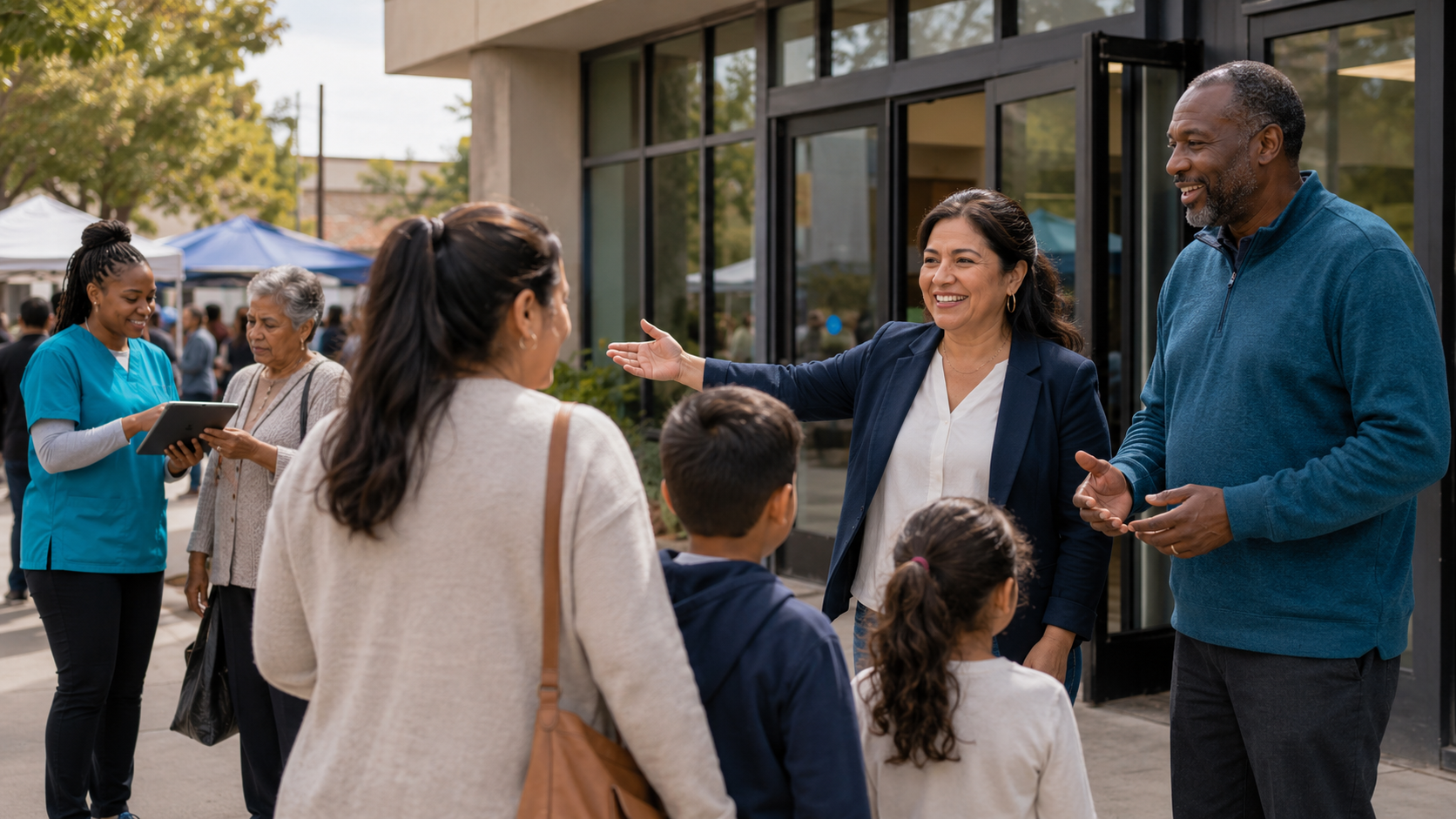



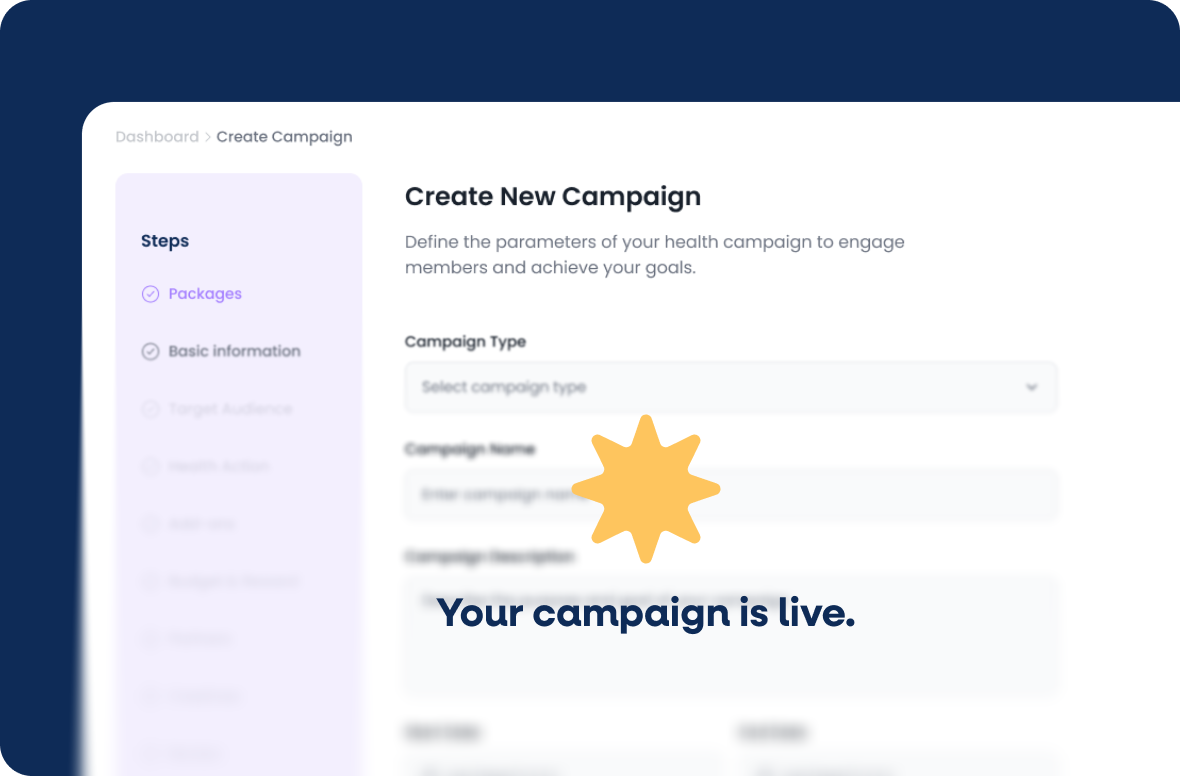
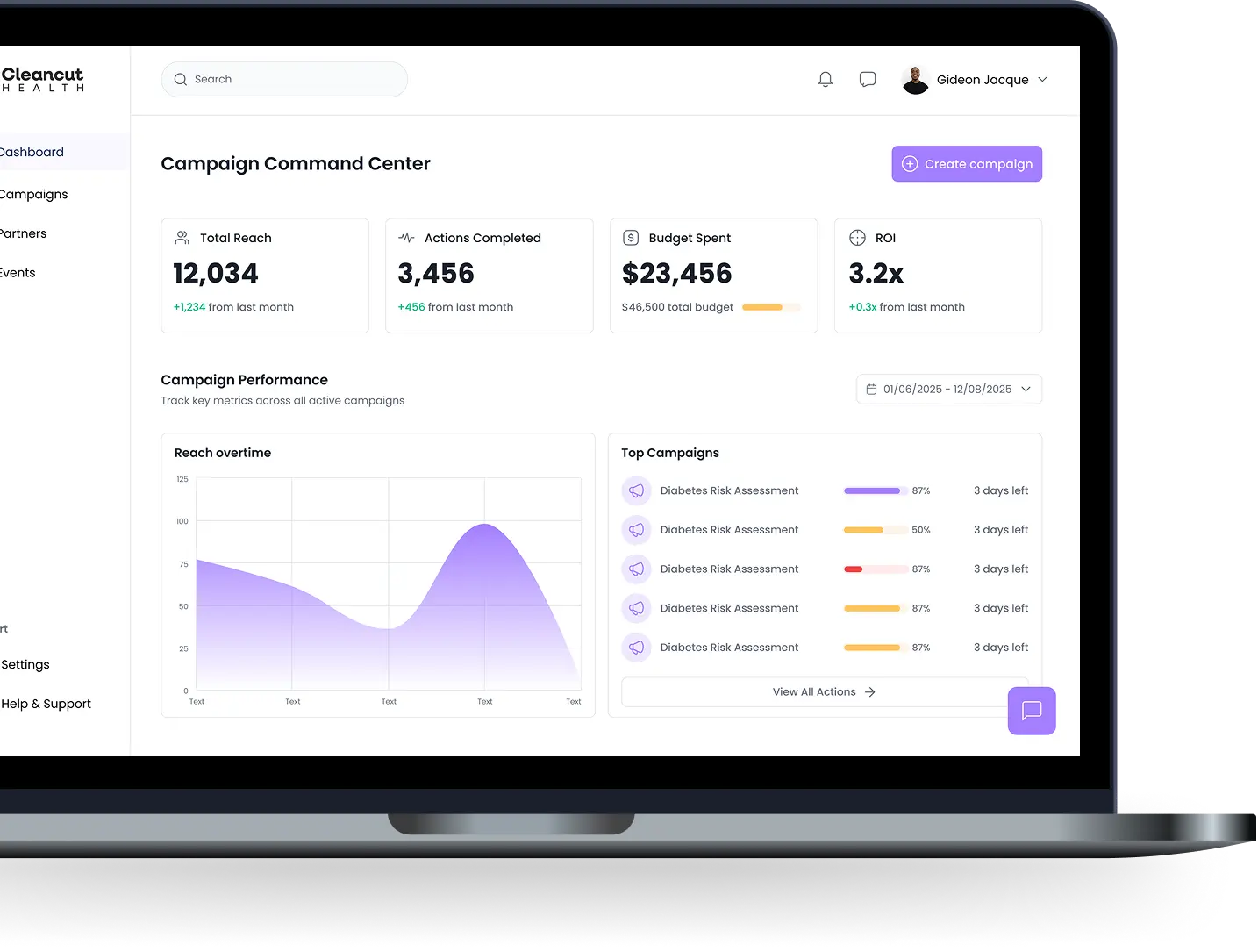

Design and launch campaigns in minutes. Set your goals, target ZIP codes, budget, and the health actions you’ll pay for. Every campaign is built to be compliant, culturally relevant, and measurable.
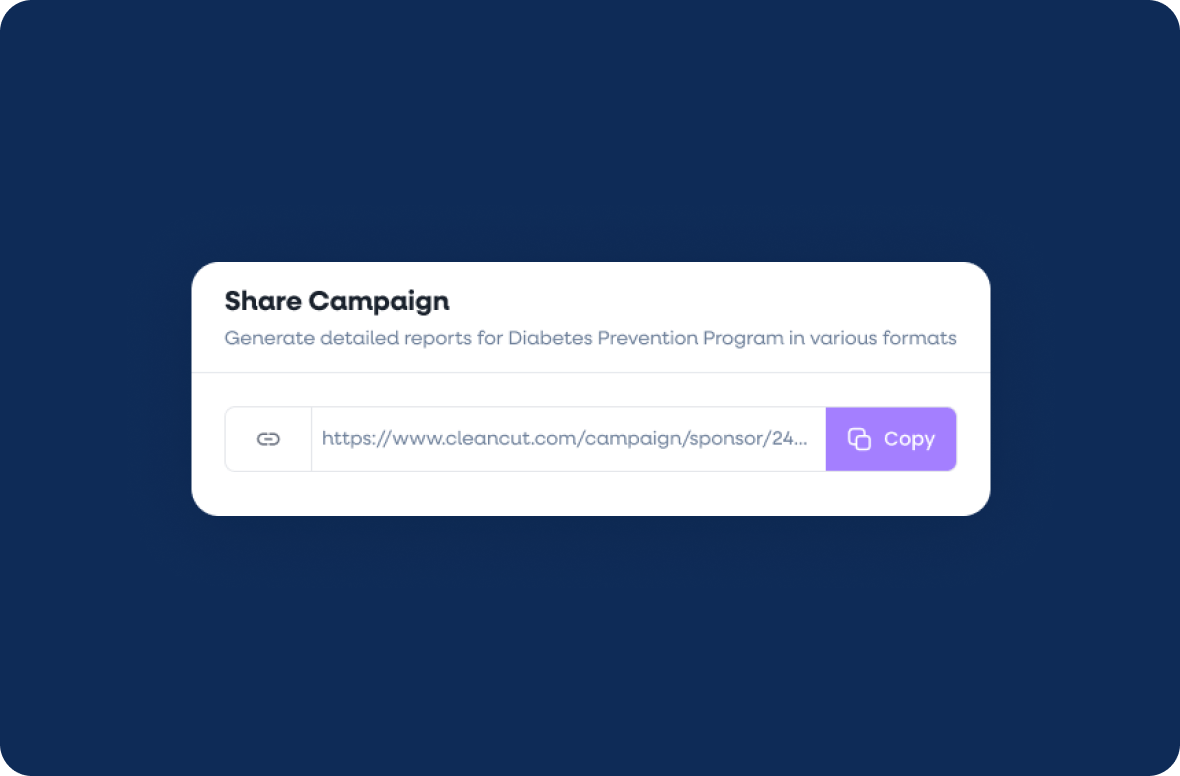
Manage your network of trusted partners, including recruiting, contracting, onboarding, and training. Partners apply to each campaign and are selected against your criteria, then paid against verified results.
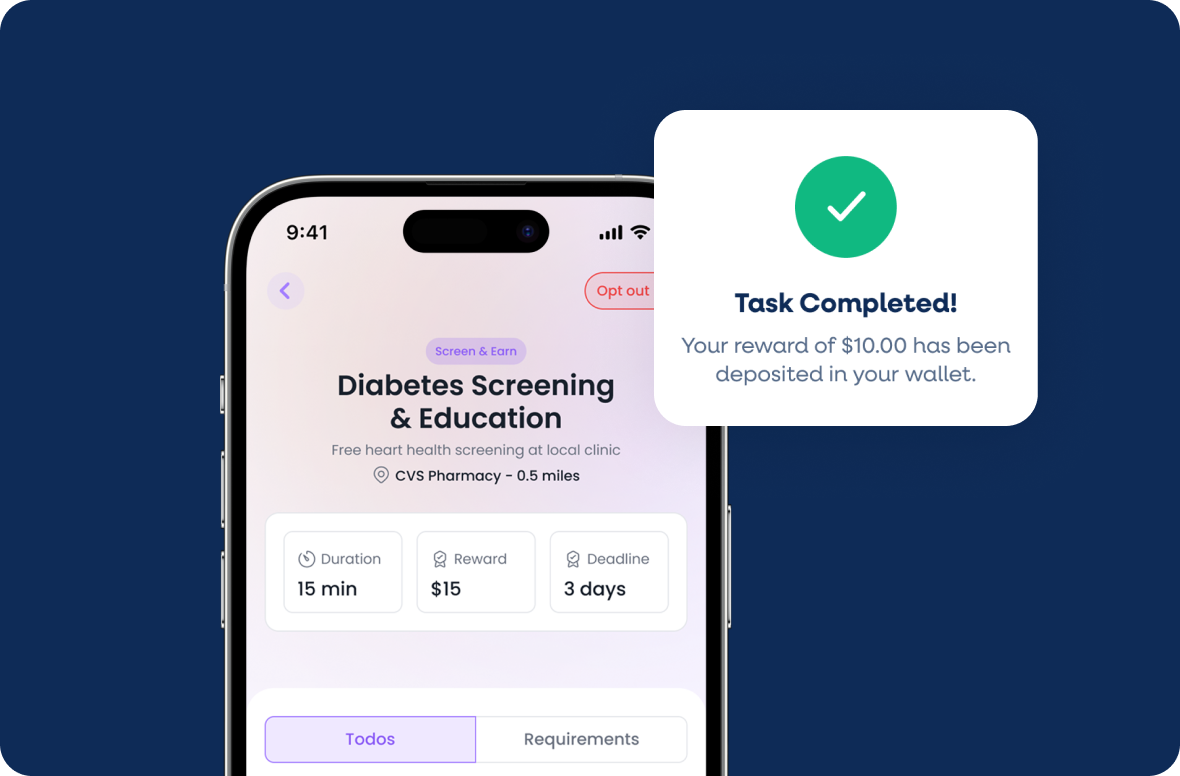
Pay partners against campaign goals and reward members for taking action. Member rewards run on your platform or ours. All payment structures designed to meet OIG and federal requirements.
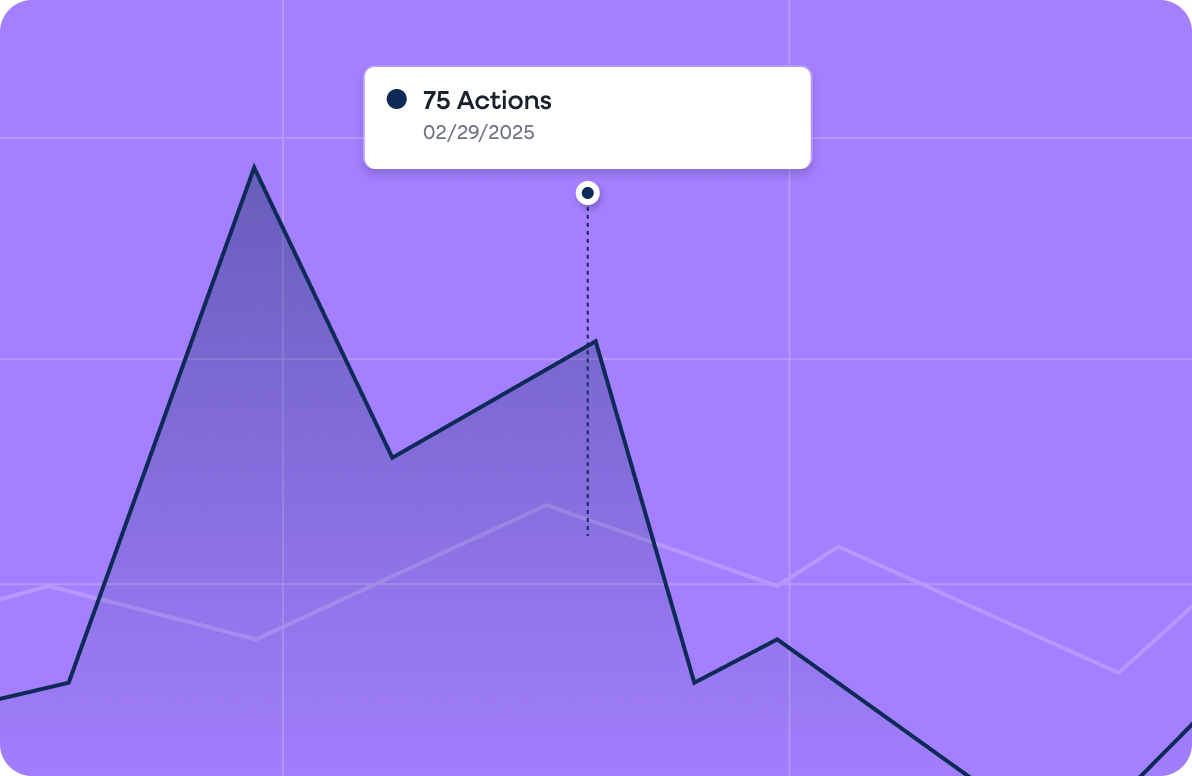
Track campaign performance in real time, measuring completions and cost per action by partner, geography, or demographic. Prove ROI with every campaign and optimize impact so every decision is driven by evidence, not guesswork.
Guides engaged members from the community into your care pathways. Scheduling, coverage support, reminders, and follow-up so no one falls through the cracks.
Enable trusted community partners to educate members on H.R. 1 requirements through events, workshops, screenings, and digital outreach. Once a member engages, CleanCut helps them understand their eligibility, build a coverage retention plan, and connect to qualifying work, education, or volunteer opportunities. The platform documents completed activities and maintains a verifiable record of each member’s progress.

Enable trusted community partners to engage attributed members through events, screenings, and digital outreach. CleanCut matches participating members to their assigned provider, then navigates and incentivizes them to schedule an annual wellness visit, close priority care gaps, and enroll in relevant care pathways. Every completed action is verified, attributed, and available for quality and performance reporting.
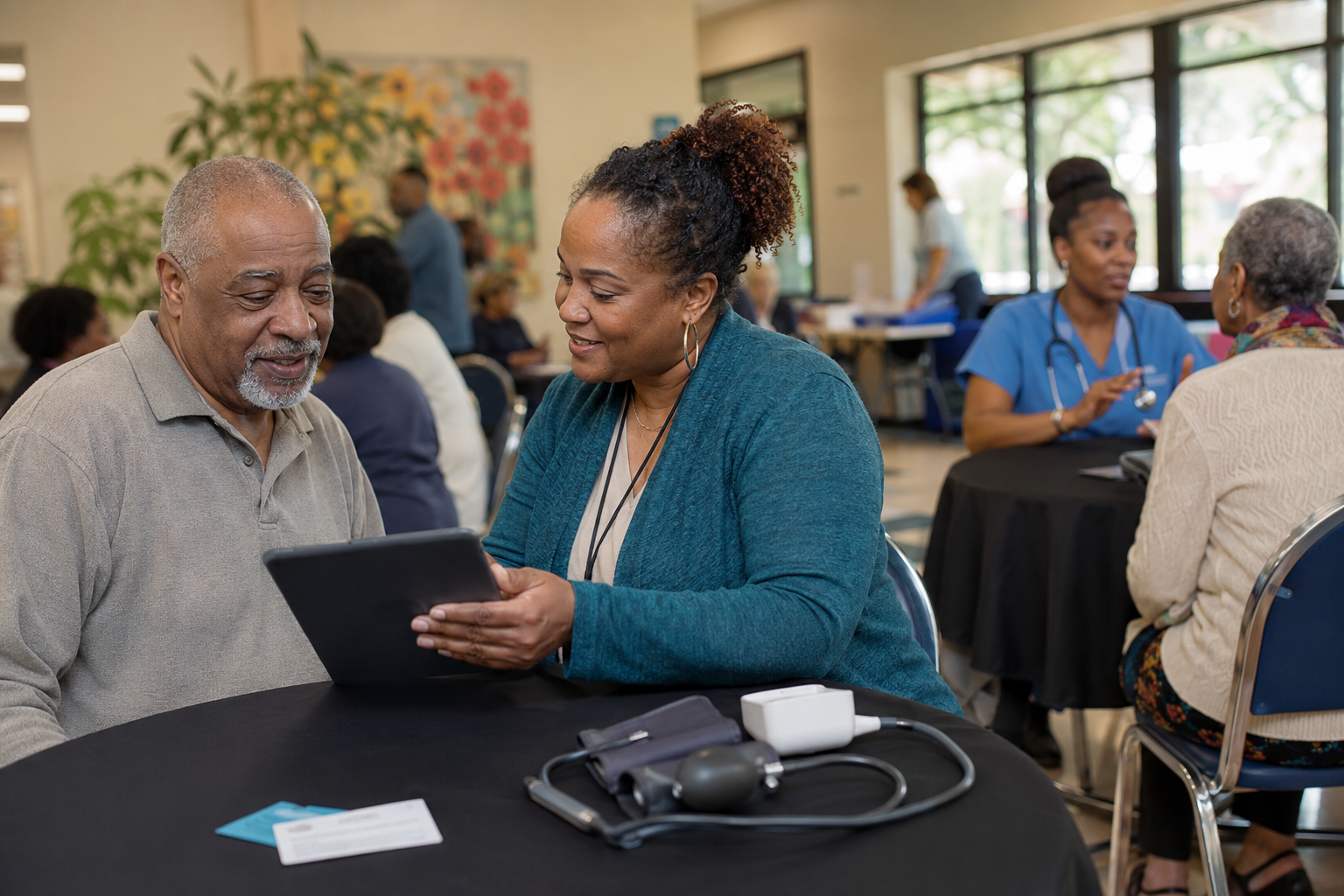
Activate community partners in the neighborhoods surrounding your facilities to engage prospective patients through events, screenings, and digital outreach. Once someone participates, CleanCut connects them to the appropriate location or service line and navigates and incentivizes them to book a visit. Each completed visit is attributed to the campaign and community partner that generated it, allowing you to measure growth by location and service line.
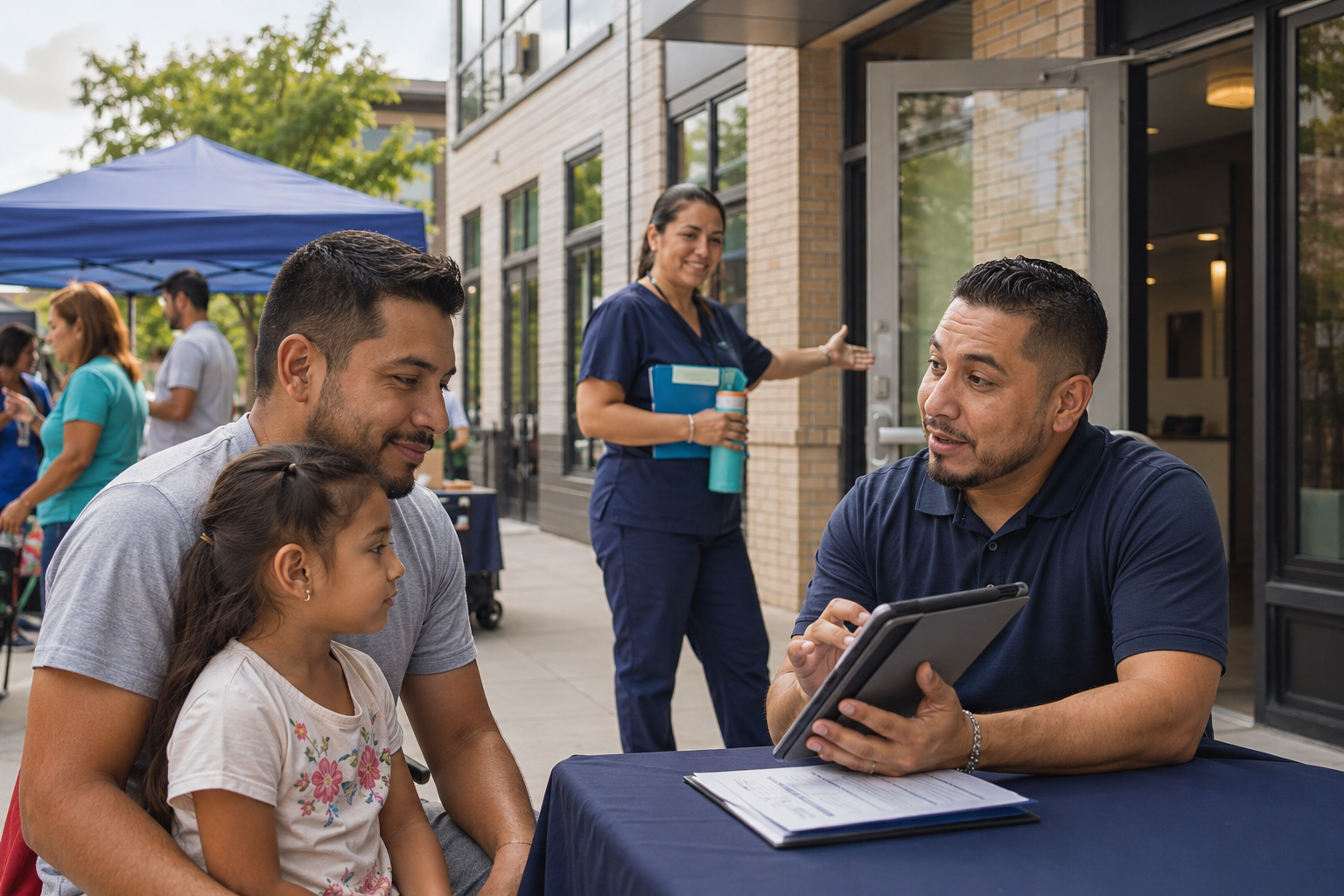
Equip trusted community partners to educate eligible consumers and engage them through enrollment events, workshops, and digital outreach. CleanCut then navigates participating consumers through plan selection, application completion, effectuation, and the actions required to maintain coverage. Each milestone is verified and attributed, allowing plans to measure enrollment and retention performance by campaign and partner.

People come back weekly, often during the hardest stretches of the year. That repeat contact makes pantries one of the few places where a health conversation can happen more than once.
Corner stores and regional chains sit inside daily routine. A health action offered where someone already shops takes no extra trip, no time off work, and no appointment.
Affordable housing communities, shelters, and transitional housing reach people the mail and phone rarely find. On-site staff and resident services put health actions where people already live.
Reach working-age adults who rarely surface in clinical outreach. Union halls, worksites, and member communications put health actions in front of people during the workday, when they are hardest to reach any other way.
Congregations gather on a fixed schedule with leaders whose word carries weight. That combination of regularity and credibility is rare in any other setting.
Fraternities, sororities, and civic associations organize around service and hold members over decades. Health campaigns move through networks that already mobilize for community work.
K–12 districts, charter networks, and higher ed institutions with structured channels to reach students, families, and faculty.